Little Mister March Clover Applique Embroidery Review
As an embroidery designer preparing for a busy craft fair season, evaluating a new design like the Little Mister March Clover Applique is a crucial step. This isn't just about aesthetics; it's about judging its potential as a viable, saleable product for a handmade market booth. Based on the description provided, let's walk through a real-world assessment.
First Impression: Festive, Sweet, and Purpose-Driven
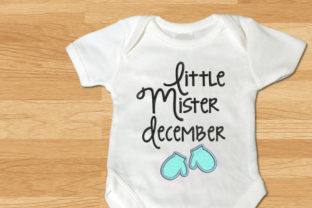
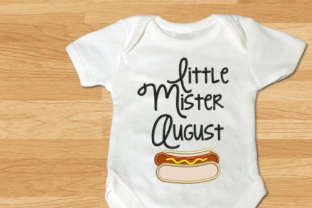
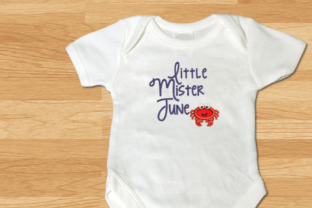
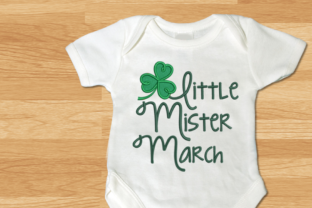
The name itself tells a story. "Little Mister March" paired with a "swirly clover icon" immediately sets a tone. This design feels festive, cute, and purpose-driven, squarely targeting the St Patrick's Day and seasonal "monthly photos" niche. It's not just decorative; it has a built-in customer need—parents or grandparents looking for monthly milestone markers. In a crowded craft fair booth, that specificity is a strength. It helps the product stand out to a particular buyer, rather than being a generic decorative piece. The "Little Miss and Mister collection" suggests a brandable series, which is excellent for building repeat customers and a cohesive small shop product line.
Where It Shines on Craft Fair Products
Imagine your booth table: tote bags, aprons, tea towels, caps, patches, and small giftable items. Where does this machine embroidery design fit best?
For the Little Mister March Clover Applique, I would prioritize products where the text and icon can be clearly appreciated and where the monthly theme makes sense. My top picks for a weekend market would be:
- Tea Towels & Kitchen Aprons: These are fantastic for seasonal, decorative kitchen items. The design adds a handmade, festive touch. On a crisp white or light linen towel, the clover and text will pop.
- Embroidered Patches: This is a versatile and lower-cost item. A patch can be applied to a child's backpack or jacket for March. It's an easy sell and quick to produce in batches.
- Small Fabric Pouches & Pillow Covers: As a giftable handmade product, a small pouch or a decorative 12" pillow cover with this design feels thoughtful and themed.
- Tote Bags & Market Bags: As a larger focal point on a bag, it becomes a statement piece. However, ensure the scale works—the "4 hoop size" range mentioned is key here.
I would be cautious about curved surfaces like caps unless the design file is specifically adapted for cap digitizing. The small lettering ("Little Mister March") could lose clarity on a textured, curved cap surface.
Practical Production Notes for the Maker
Before running this embroidery file on dozens of products, a designer must consider production realities.
- Test on Scrap Fabric First: Always, always test. Check the stitch density, especially in the "swirly clover" applique area. Dense stitch areas can cause puckering on lightweight fabrics like tea towel linen.
- Thread Contrast & Fabric Color: This design likely needs good contrast. Stitching it on dark fabric? You'll need to review thread color choices—light greens and white text on a dark background can be stunning but require precise thread selection.
- Hoop Size & Scale: The description notes "9 formats 4 hoop size." This is invaluable. It means you can scale the design for different products—a small accent on a pouch or a larger statement on a tote. Use the smaller hoop sizes for delicate items like patches and the larger for bags and pillow covers.
- Stabilizer & Fabric Texture: Textured towels and thick fabrics like canvas for tote bags require different stabilizer approaches. A poor stabilizer choice will ruin the clarity of the text and applique icon.
Selling Power: Attention, Value, and Display
From a sales perspective at a fair, the Little Mister March Clover Applique has several advantages.
Visual Appeal & Customer Attention: The combination of text and a recognizable icon (a clover) makes it easy for customers to understand at a glance from a few feet away. This is critical for booth traffic. They instantly see "March" and "clover," connecting it to St Patrick's Day or a March birthday. It doesn't require explanation.
Product Value & Handmade Quality: Well-embroidered, this design elevates a simple tea towel or apron into a premium, seasonal handmade product. The "applique" technique, if executed cleanly, adds a layer of craftsmanship that buyers appreciate, justifying a higher price point than a simple printed design.
Booth Display Strength: Create at least one real, high-quality mockup for each product type you intend to sell. A beautifully embroidered pillow cover displayed prominently can draw buyers in. Pair it with other months from the collection to show series potential, encouraging multiple purchases.
Photography for Online Sales: For your Etsy seller listings or digital shop, this design should photograph well. The clear text and graphic icon look good in flat lays and on printable mockups. Ensure your photos show the texture of the stitches and the clean edges of the applique.
Careful-Use Notes and Potential Pitfalls
Every design has its considerations. Here's where to pay extra attention with Little Mister March Clover Applique.
- Small Lettering: The phrase "Little Mister March" is not overly long, but the individual letters, especially at the smallest of the four hoop sizes, could become fine. On textured fabric, tiny satin stitch letters may lose sharpness. Test at the smallest intended size.
- Applique Detail: A "swirly" clover suggests curved, perhaps intricate lines. Ensure the applique cut lines are clear in the file, and that you have a sharp method for cutting the applique fabric (whether by hand or machine) to maintain the swirly shape's integrity.
- Batch Production Repeatability: Is this design efficient for making 20 identical tea towels? If the stitch count is high or the applique process is slow, it may not be ideal for large batches for a single fair. Focus on a mix of products instead.
- Commercial Licensing: The description says "from our collection." Before selling any finished product, you must confirm the commercial licensing terms of this digital embroidery file. Never assume.
Final Designer Advice Before the Fair
My process would be: download the file, check the included formats and hoop sizes, and stitch it out on a mid-weight cotton scrap. Evaluate thread color contrast against a few potential fabric colors (white, cream, light green, navy). Create one superb finished product—say, a tea towel—as your booth sample. Then, based on that result, decide which other products (pouch, patch, tote) are worth adding to your production run. This design has clear seasonal appeal and a defined customer use-case, which are two of the biggest factors for craft fair success. With careful production, the Little Mister March Clover Applique can be a charming and profitable addition to your handmade market offerings.