Holly Garland Embroidery Design for Craft Fair Products
Walking into my workshop this morning, my mind was on the upcoming weekend craft fair. As a professional embroidery designer, my first task isn't stitching—it's reviewing. Today, I'm looking at a new design asset: the Holly Garland embroidery file. Before I load any thread or hoops, I need to judge it as a product, not just a pattern. This is about what sells, what looks good in person, and what I can practically produce for my booth.
First Impression: Festive, Elegant, and Decorative
Based purely on the title and description, Holly Garland feels distinctly festive and decorative. A garland made of holly with berries suggests a classic Christmas motif. It leans elegant rather than cute, rustic rather than minimal. This isn't a quirky, funny design; it’s a premium, traditional decorative element. That tells me my target customer is someone looking for handmade quality and a touch of timeless holiday charm. This mood is perfect for elevating simple products into giftable handmade items.
Where Holly Garland Stands Out on Your Booth Table
Imagining my table display—tote bags, aprons, tea towels, patches, caps, pouches, pillow covers—I visualize where Holly Garland will catch a customer's eye.
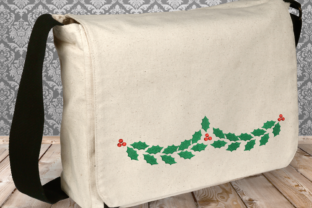
Tote Bags and Market Bags: This design is a strong candidate for a large focal point. On a solid-colored canvas tote, a well-executed Holly Garland becomes an instant statement piece. It feels gift-ready.
Aprons and Tea Towel Embroidery: In the kitchen category, this design adds a festive, farmhouse elegance. On the corner of a tea towel or across the bib of an apron, it transforms a utilitarian item into a decorative one. The textured surface of towels needs consideration, but the result can be stunning.
Pillow Covers: For home decor, this is a natural fit. A Holly Garland embroidered pillow cover feels cozy and premium, perfect for a handmade shop or boutique maker display.
Caps and Patches: Here, caution is needed. The curved surface of a cap can distort details. As an embroidered patch, it could work if the berries and leaves remain clear at a smaller size. This might be better as an accent rather than the main event on headwear.
Fabric Pouches and Small Gift Items: For smaller products, Holly Garland could serve as a beautiful accent. On a pouch flap or a holiday ornament, its decorative nature adds value without overwhelming the item.
Practical Production for Selling Success
Turning a digital embroidery file into a craft fair product requires practical planning.
Understanding at a Glance: A garland with berries is intuitively understood. Customers will recognize it immediately, which is crucial for quick booth engagement. No one needs to “figure out” the design.
Scale and Application: With multiple hoop sizes included, I have flexibility. I can test it as a large centerpiece on a tote or a smaller accent on a towel corner. I must confirm which hoop sizes are actually in the zip file before planning my production batch.
Photographing for Online Listings: For my Etsy seller listings and printable mockups, this design should photograph well. The contrast between holly leaves and red berries provides visual pop. However, on dark fabric, that contrast must be tested with thread color choices.
Batch Production Repeatability: This feels repeatable. It's a decorative, non-text design, which means less pressure for perfect alignment every single time compared to lettering. Consistent results across multiple tote bags or pillow covers should be achievable, boosting my booth display strength.
Careful-Use Notes for Professional Results
Every design has its production nuances. For Holly Garland, I'm thinking about a few key points.
- Dense Stitch Areas & Tiny Details: The berries, especially if they are small, could be dense stitch areas. On textured towels or thick fabric, I need to use the right stabilizer to maintain clarity.
- Losing Clarity at Smaller Sizes: If I use the smallest hoop size for a cap or patch, I must inspect the stitch density and detail. Small berries might blur. Testing on scrap fabric is mandatory.
- Thread Contrast: The classic green and red should provide good contrast, but on non-white fabrics—like a navy tote or a grey pillow—I need to compare fabric colors and possibly adjust thread shades for maximum visual appeal.
- Spacing and Composition: A garland implies a flowing layout. I'll review the spacing in the file to ensure it looks balanced on the final product, not cramped or oddly stretched.
Turning a Digital File into a Selling Product
The final step is moving from review to reality. Here’s my checklist before the craft fair.
- Create a Real Mockup: I will stitch Holly Garland on at least one real product—likely a tea towel or tote bag. This tests everything: thread colors, stabilizer, fabric texture, and final look.
- Check Commercial Licensing: The description mentions a digital embroidery file for commercial use? I must confirm the license terms explicitly before selling finished products. This is critical for any small shop product.
- Match to My Brand: Does Holly Garland fit my brand’s style—festive and elegant? If yes, it strengthens my brand consistency at the fair.
- Plan the Booth Highlight: Based on my mockup, I'll decide which product gives Holly Garland the best chance to sell. A beautifully embroidered pillow cover displayed prominently can drive buyer engagement and perceived product value.
Holly Garland, as a machine embroidery design, has strong potential for Christmas-themed craft fair products. Its festive and decorative mood aligns with customer expectations for holiday handmade products. By focusing on where it performs best—like on tote bags, aprons, and pillow covers—and by carefully managing production details like stitch density and fabric choice, I can transform this digital file into a profitable, attractive addition to my booth. The key, as always, is in the preparation: testing, confirming, and creating one excellent sample that shows customers exactly the handmade quality they’re looking for.