From Sketch to Stitch: Evaluating the Elephant Best Friend Embroidery
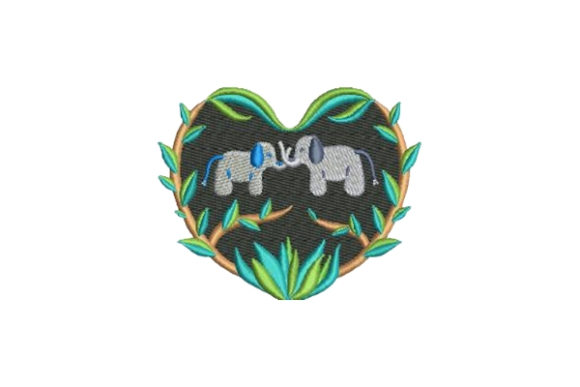
As an embroidery designer preparing a limited, premium sweatshirt collection for a boutique client, every design file undergoes a thorough review. Today, I’m looking closely at the Elephant Best Friend machine embroidery design. The promise is heart-melting cuteness, destined to make any garment a favorite. But beyond the charming description, how does it truly perform as a commercial asset for small brands crafting handmade apparel?
The First Impression: Mood and Marketability
The moment I preview the Elephant Best Friend, the category—Baby Animals—is immediately affirmed. The design exudes a playful, gentle, and inherently cute personality. It feels neither overly feminine nor exclusively childish; it has a universal, affectionate appeal that could resonate across ages. For a boutique aiming for a cozy, lifestyle-oriented brand, this is a significant strength. The layout suggests a decorative, detailed element rather than a minimalist graphic. This isn’t a stark logo; it’s a storytelling piece meant to evoke warmth and connection.
This emotional tone is perfect for transforming basic apparel into conversation pieces. On a product listing for an Etsy shop or small brand website, this design isn't just a decoration; it becomes the product's heart. In lifestyle product photography—think a casually draped oversized hoodie on a wooden bench—Elephant Best Friend would serve as a natural, engaging focal point that enhances the handmade presentation.
Application on Boutique Sweatshirt Collections
Let’s envision the real case: a curated drop of sweatshirts and hoodies. How does this embroidery file translate onto fabric?
Neutral & Dark Fabric Foundations
On a classic cream or oatmeal sweatshirt, the Elephant Best Friend would pop with a clean, crisp contrast. The details would feel premium and intentional, elevating a simple garment. On darker fabrics like charcoal or navy, the choice of thread colors becomes paramount. The design’s readability and charm will depend entirely on a well-planned palette with sufficient contrast. This is a crucial consideration for the apparel decorator—testing thread combinations on the actual fabric before production is essential.
Pastels and Seasonal Cozy Apparel
Stitched onto a pastel blush or soft mint hoodie, the design would lean into its cute, perhaps slightly feminine, character perfectly suited for spring collections or gift-oriented merchandise. On oversized, cozy silhouettes—the staple of modern comfort-wear—a well-placed Elephant Best Friend on the chest or as a sleeve accent balances the garment’s bulk with a focused, detailed artistry. It avoids feeling lost or underwhelming.
Placement for Visual Impact
For chest placements, the design needs to have a density and scale that feels substantial without overwhelming the sweatshirt’s fabric texture. As a larger back design, it could become a bold, decorative statement, especially on a relaxed-fit hoodie. Its inherent cuteness, when scaled appropriately, retains its charm without becoming rustic or overly quaint. It feels deliberately decorative, which adds perceived value.
The Designer’s Practical Checklist
Moving from mood to machine, several technical aspects determine if Elephant Best Friend is strong enough for commercial apparel use.
First, stitch density. A design meant for sweatshirt embroidery must balance detail with the fabric’s thickness. Too dense, and it could pucker or feel stiff on a soft, fleece-backed hoodie. Too light, and it may lack durability and visual impact. The description mentions the design comes with multiple embroidery files, which often includes different sizes or density adjustments. This is a hopeful sign for versatility.
Stabilizer choice is inextricably linked to fabric texture. A sweatshirt requires a stabilizer that supports the stitch load without compromising the garment’s drape or comfort. The design’s complexity will dictate whether a cut-away or a specific fusible is necessary for washing durability.
Small-size readability is critical for smaller placements or children’s apparel. When hooped for a petite left-chest application, the design’s details must remain clear and not blur into a thread blob. The multiple file set should ideally address this, offering a simplified or optimized version for smaller hoop sizes.
Finally, hoop placement and overall balance. For a symmetrical, centered design like this elephant, ensuring it is hooped perfectly level is key to a professional finish. Any skew on a premium sweatshirt would undermine the boutique brand’s quality promise.
Building Brand Identity and Customer Trust
For a small shop product, the embroidered outcome is a direct reflection of brand identity. A clean, well-executed Elephant Best Friend on a high-quality sweatshirt speaks volumes. It signals attention to detail, craftsmanship, and a thoughtful product curation. This builds immense buyer trust.
In custom apparel branding for a small brand, this design could serve as a seasonal signature—a visual recognition anchor for a “Cozy Critters” collection, for instance. It engages customers emotionally, turning a practical hoodie into a cherished item. In Etsy listings or mockup previews, showcasing this design on various garment colors (using digital mockups) demonstrates versatility and helps customers visualize their perfect match.
A Note on Production Preparedness
The provided description is a compelling start, but a professional review always ends with a reminder: check the specifics. Before loading the file for production, verify the exact stitch count for cost and time estimation, confirm the included file formats compatibility with your machine, and understand any recommended hoop sizes. If the license terms are included in the design package, review them for commercial use clarity. These details are the bedrock of a smooth, successful boutique merchandise run.
The Final Verdict for Creative Entrepreneurs
The Elephant Best Friend machine embroidery design presents a compelling opportunity for small clothing brands and creative entrepreneurs. Its cute, decorative personality aligns beautifully with the demand for unique, heartfelt apparel. When paired with careful technical execution—mindful thread color contrast, appropriate stabilizer, and tested placement—it transforms from a digital embroidery file into a valuable finished product that elevates basic sweatshirts into premium, story-driven boutique pieces.
It feels both playful and premium, casual yet deliberately crafted. For anyone in the handmade business looking to add a touch of warmth and animal charm to their apparel line, this design is a strong contender, provided its technical assets are as robust as its emotional appeal.