A Designer's Look at the Single Simple Snowflake Embroidery Pattern
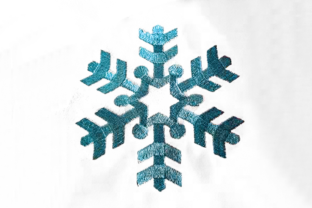
As an embroidery designer preparing for a weekend craft fair, my first job is to curate my designs. I look at each file not just as art, but as a potential product. When I opened the Single Simple Snowflake design, my immediate impression was one of quiet confidence. This isn't a loud, flashy holiday motif. It’s a minimal, elegant, and modern winter symbol. The description notes it’s a single snowflake, meant to be used in multiples or alone. That tells me this is a decorative building block, not a one-off novelty. The mood leans toward soft, premium, and subtly festive—perfect for customers looking for winter charm without overwhelming Christmas kitsch.
Where This Snowflake Shines on the Sales Table
Visualizing my booth, I think about where this design will catch a buyer’s eye. A single, well-placed snowflake has a different power than a sprawling scene. On a tote bag, especially a neutral linen or canvas one, a solitary snowflake placed near the corner creates an understated, year-round winter accessory. It feels intentional and designerly. For aprons and kitchen towels, this simplicity is a huge win. Busy farmhouse-style towels can clash in a kitchen; a single, clean snowflake embroidery on a tea towel retains its function and adds a touch of handmade quality without looking cluttered.
The real standout application, in my opinion, is on small giftable items. A fabric pouch or a linen pillow cover with a single, centered snowflake looks incredibly premium. It turns a simple sewn item into a thoughtful, branded winter gift. For caps, the single motif works well on the front panel, but careful testing on the curved surface is key. As a embroidered patch, it’s versatile—customers can see it as an accent for their own jackets or bags, which expands its appeal beyond pre-made products.
Practical Production for the Maker
From a production standpoint, Single Simple Snowflake is promising. The fact it comes in multiple hoop sizes and formats means I can scale it. For batch production, a simple design like this is a relief. It’s quick to stitch, which matters when you’re making dozens of items for a fair. The stitch density appears manageable—no huge, time-consuming fill areas—but I always test on scrap fabric first to confirm. I’ll test it on textured towels and thicker canvas to ensure the detail holds up. On dark fabric, I’ll choose a high-contrast thread, like white or silver, to make it pop.
A crucial note: the description encourages using multiple sizes and positions. This is a major selling point for craft fair customers. I can create a sample dress or a tote bag with a scattering of snowflakes in different sizes to show the design’s potential. This creates a “collection” feel on my table and demonstrates value. It tells the customer this isn’t just one design; it’s a system for creating their own look.
Capturing Customer Attention & Adding Value
At a fair, products need to communicate their value quickly. Single Simple Snowflake does this through clarity and sophistication. A messy, overly detailed design can look homemade in a negative way. A clean, precise snowflake looks professionally made. It elevates a simple tea towel from a $5 item to a $12-$15 handmade product. It supports brand consistency if your shop leans toward modern minimalist or elegant rustic styles.
For Etsy listings and online sales, this design photographs beautifully. A single focal point is easy to frame in a product photo. You can show it on a variety of color backgrounds—cream, gray, navy—to appeal to different tastes. Creating a real mockup, not just a digital printable mockup, is essential. The texture of the stitches on real fabric is what sells the handmade quality.
Careful Use Notes for Quality Results
While the design appears simple, execution matters. On very small hoop sizes, the intricate arms of the snowflake could lose clarity if the stitch density isn’t optimized. I will confirm the hoop size and stabilizer choice for each fabric type. For curved surfaces like caps, a good stabilizer is non-negotiable to prevent distortion. There’s no small lettering here, which is a plus—it’s purely graphic, so readability isn’t an issue.
For batch production, I’ll create a template for placement on items like pouches or pillow covers to ensure every product is identical, maintaining quality control. I’ll also compare how it looks on different fabric colors in my line—does it feel wintery on a deep green, or more festive on a red? This helps me plan my color offerings.
Final Thoughts for the Embroidery Business Owner
The Single Simple Snowflake embroidery file is a strong, versatile asset for a winter product line. Its strength is its adaptability and its mood. It won’t be the loudest design on your table, but for a certain customer—one looking for refined, durable, and handmade winter decor—it will be the most compelling. It works as a small accent on a cap brim or as a larger focal point on a pillow.
My action plan before the fair: test it on scrap fabric, check thread contrast for my intended fabric colors, review the spacing if I use multiples, and inspect the stitch density on my actual machines. I will also confirm the commercial licensing terms of the digital embroidery file before selling any finished product. Then, I’ll produce a core batch of items—some tea towels, a few tote bags, a set of pouches, and a sample apron—to create a cohesive winter story in my booth. This single snowflake, repeated and respected, can become the quiet signature of my entire winter collection.